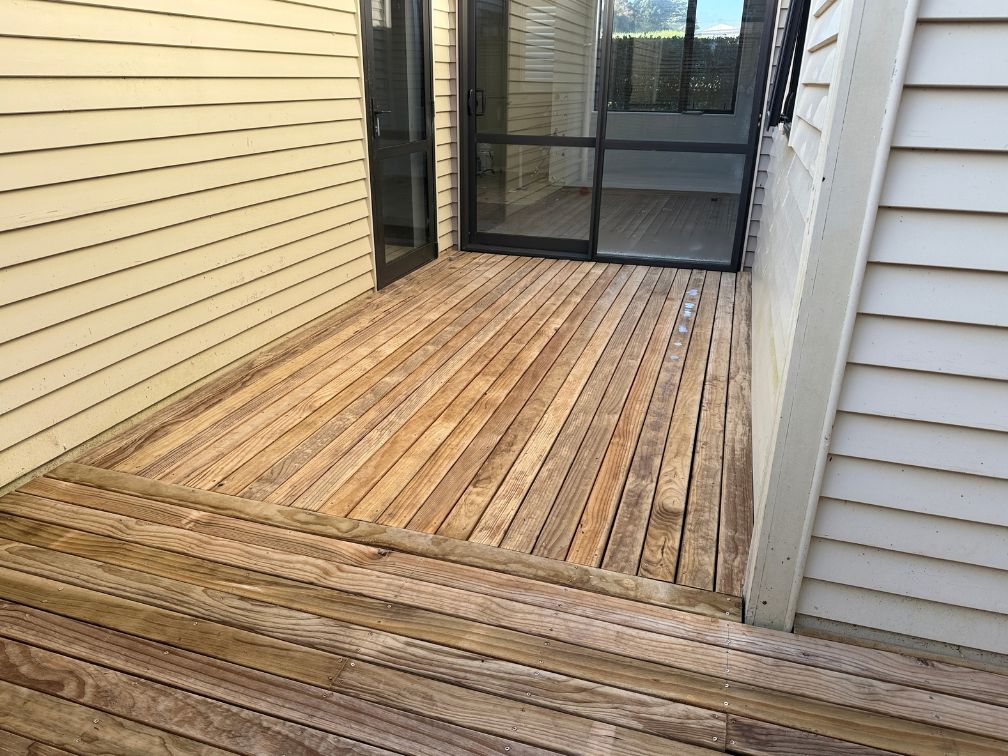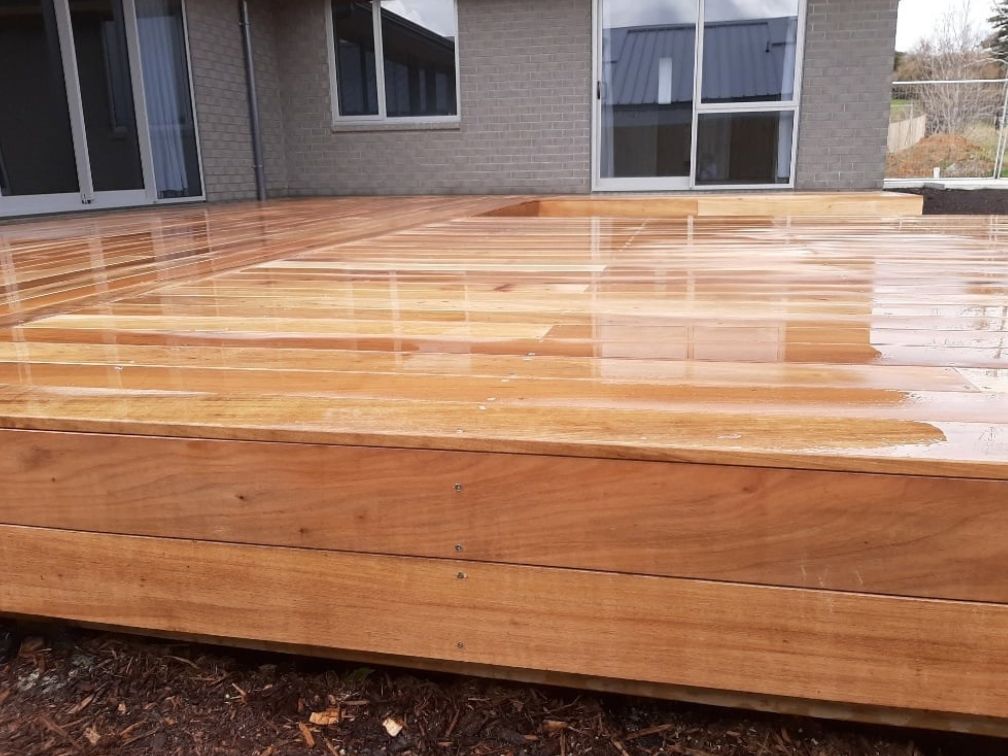
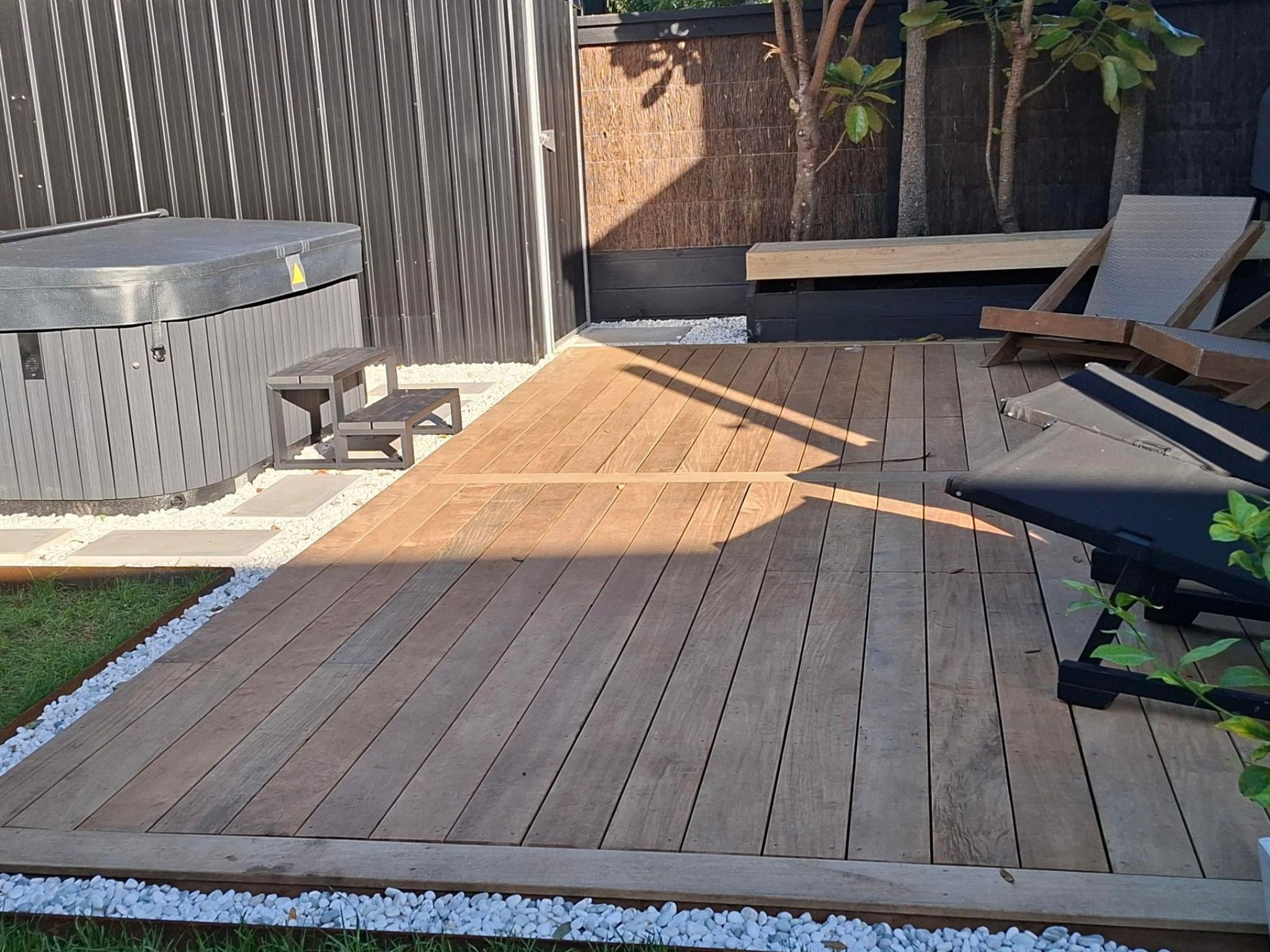
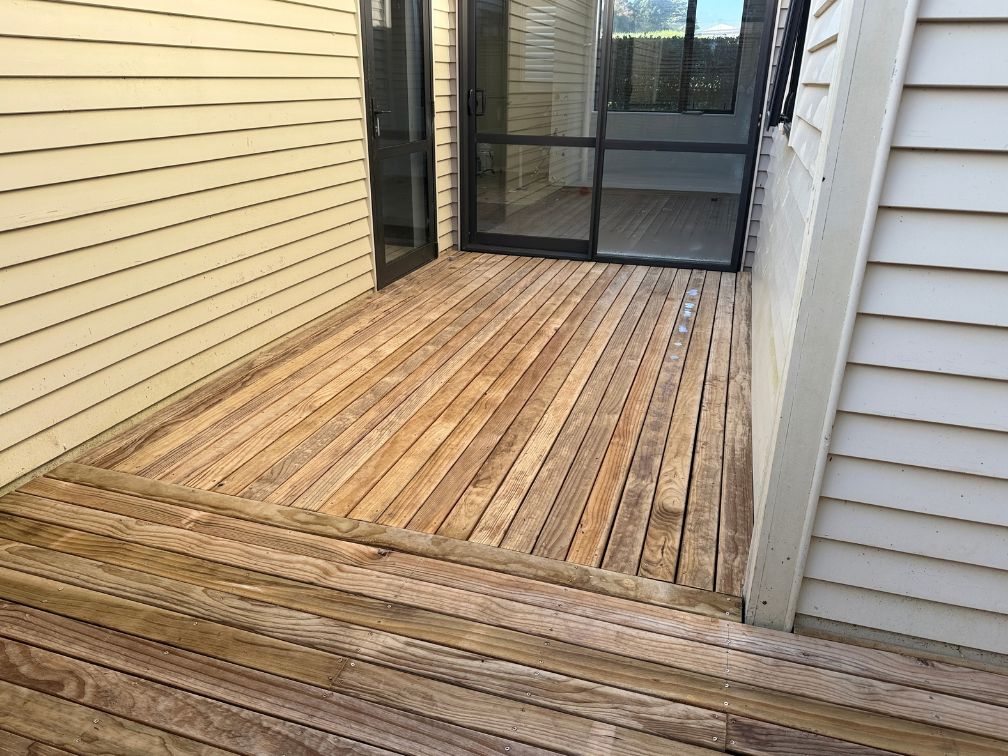
Expert Deck Building Services
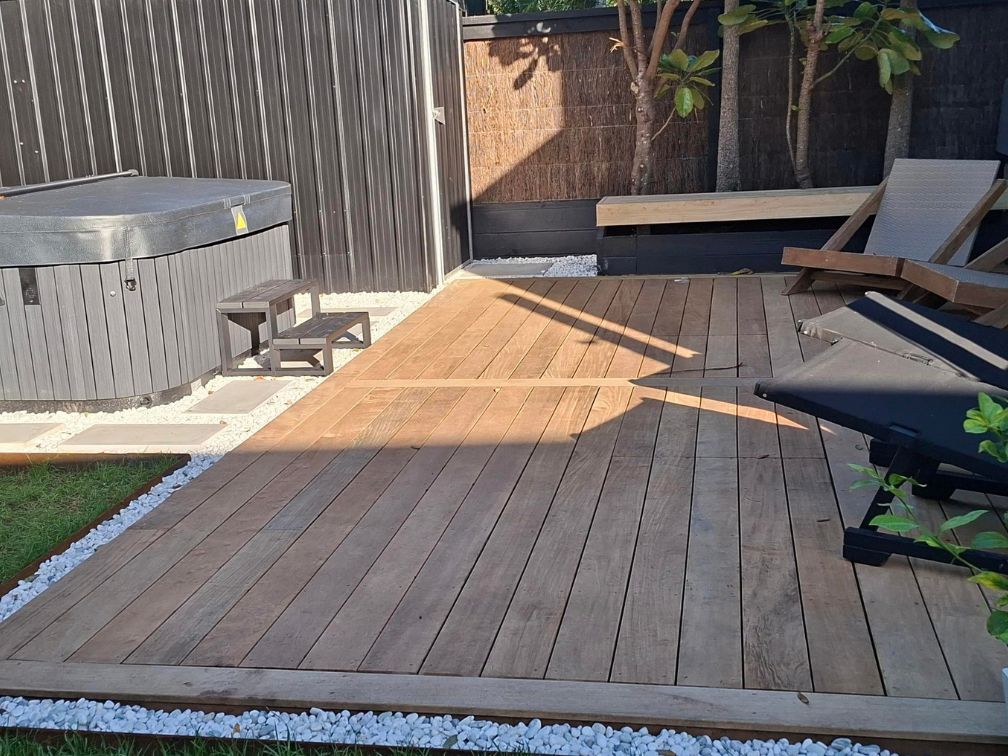
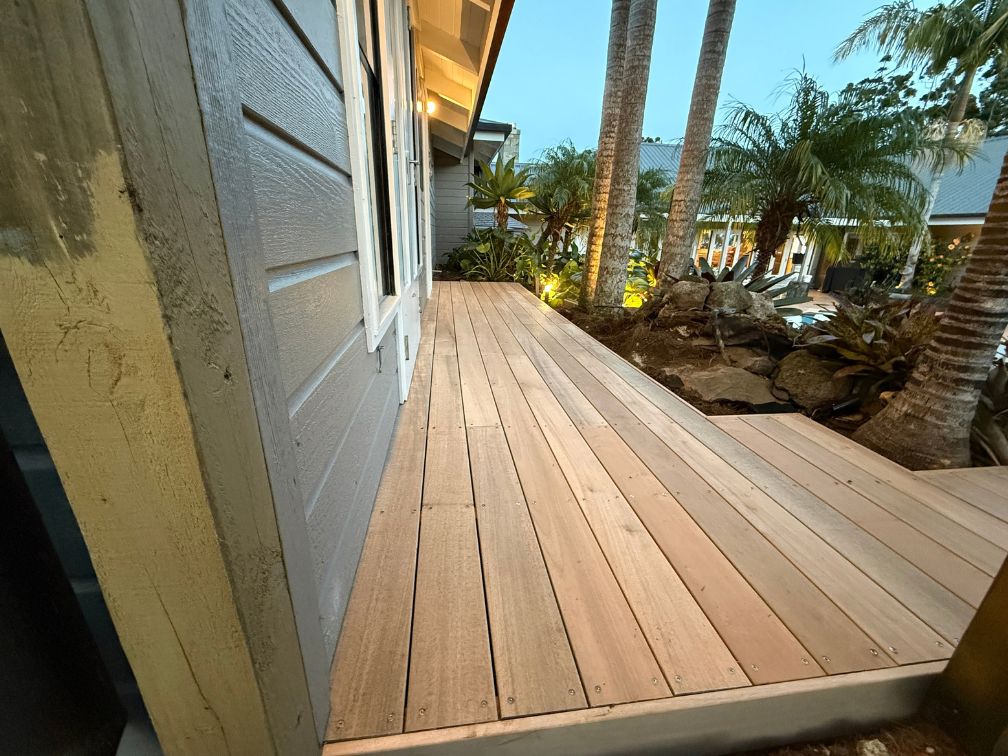
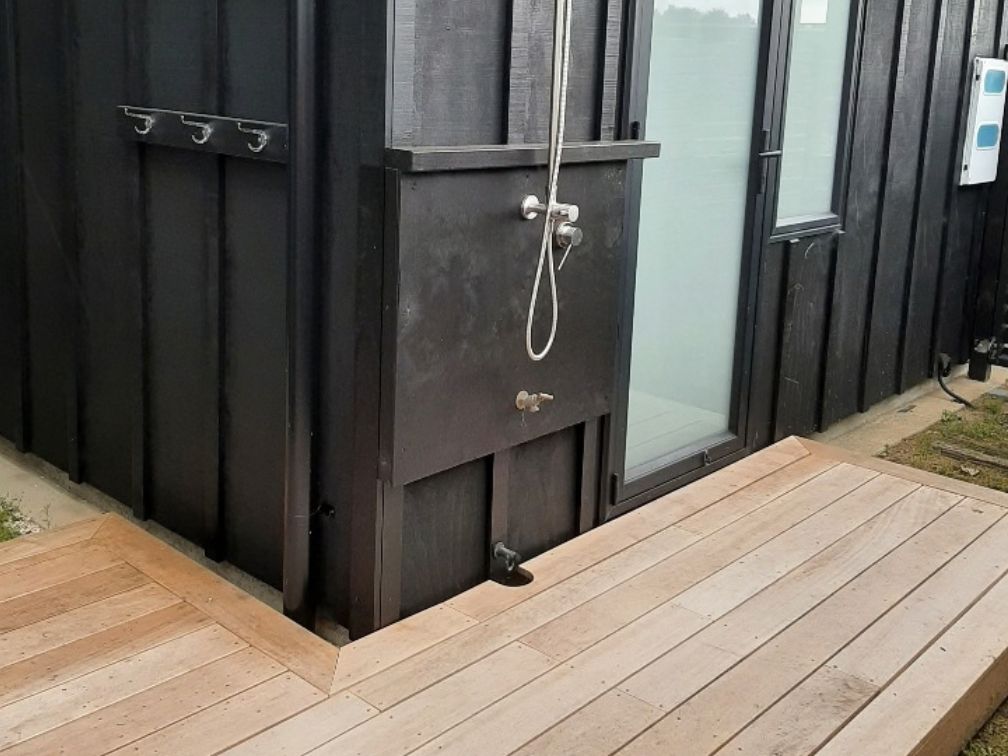
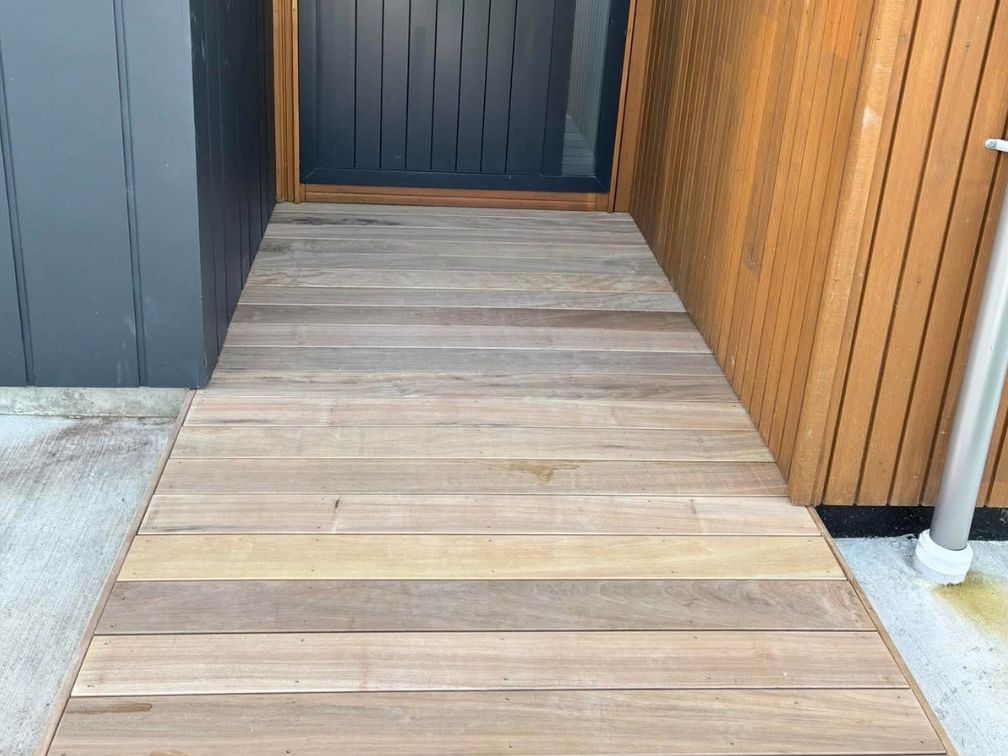
Homestyle Landscaping Services designs and builds beautifully crafted decks throughout Rodney. Whether you are replacing an existing deck or creating a completely new outdoor living space, we provide practical advice, quality materials and careful workmanship from the initial consultation through to completion.
Our decking services are tailored to your home, lifestyle and budget, helping you enjoy your outdoor spaces for years to come.
Which Material Is Right For Your Deck?
Choosing the right decking material depends on the look you prefer, your budget, how much maintenance you are comfortable with and the conditions around your property.

Treated Pine Decking
Treated pine is one of New Zealand’s most popular and cost-effective timber decking options. It offers a warm, natural appearance and can be stained or painted to complement your home. Regular cleaning and recoating will help protect it from moisture, mould and sun exposure.
Best for: Homeowners looking for an attractive timber deck at a practical price.
Hardwood Decking
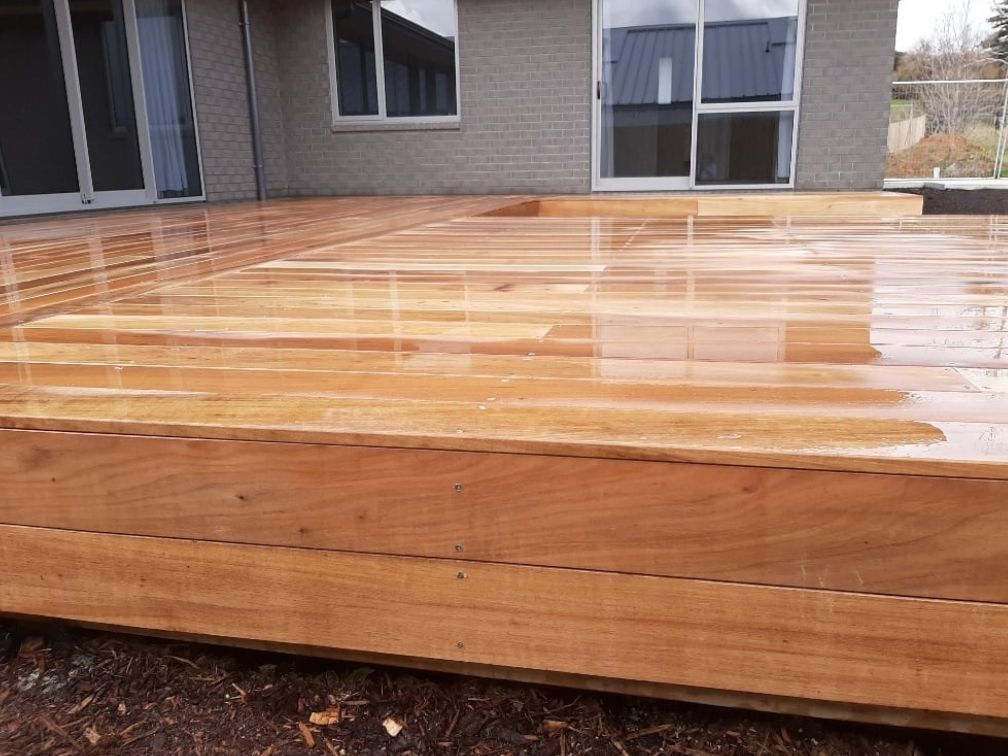
Hardwoods provide a premium finish, excellent strength and rich natural colour. When correctly installed and maintained, hardwood timber decks can stand the test of time. They generally cost more per square metre than treated pine but offer excellent durability and visual appeal. The most common hardwood decking timber options are Vitex and Kwila.
Best for: High-end outdoor living areas where appearance and longevity are priorities.
Composite Decking
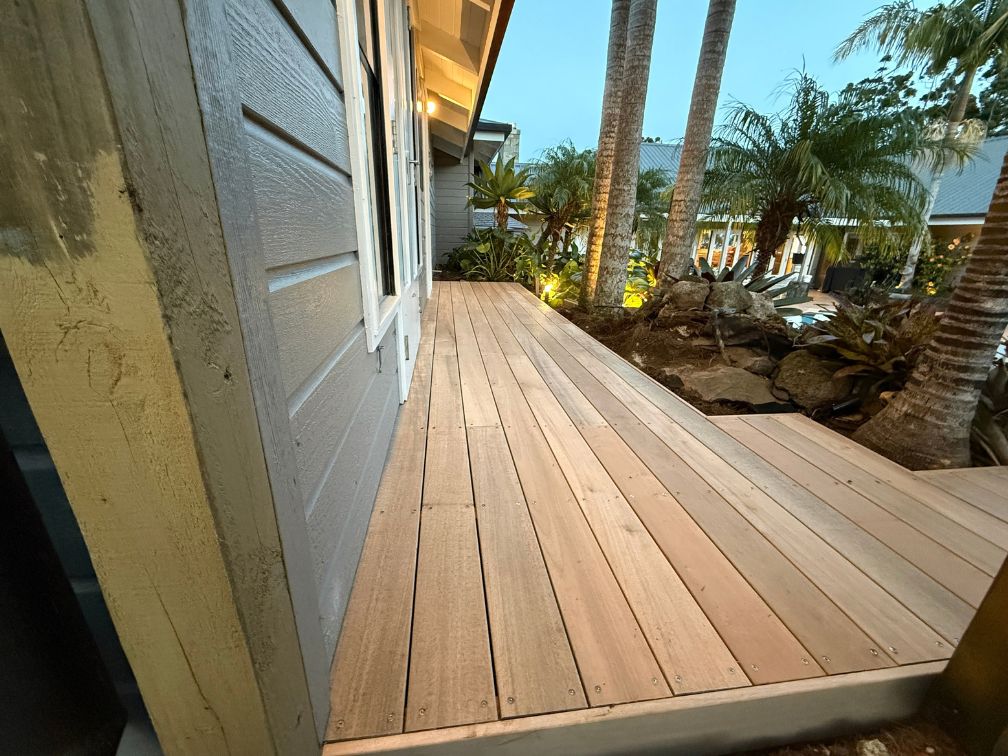
Composite decking is made from a combination of recycled wood fibres and plastic. It is resistant to rot, splitting and insect damage and does not need regular staining or oiling. While the initial cost is typically higher than treated pine, a composite deck can be an excellent long-term, low-maintenance option.
Best for: Busy homeowners, rental properties and coastal outdoor spaces where minimal maintenance is preferred.
| Decking option | Initial cost | Maintenance | Key benefit |
| Treated pine | Lower | Regular cleaning and recoating | Affordable and versatile |
| Hardwood | Higher | Periodic cleaning and oiling | Premium natural appearance |
| Composite | Higher | Low | Durable and easy to maintain |
Why Choose Us for Your Next Deck Build
As local deck builders in Rodney, we understand the region’s homes, coastal conditions and outdoor lifestyle. We take pride in delivering high-quality workmanship, honest communication and close attention to detail throughout every building project. From straightforward timber decks to custom or multi-level outdoor living spaces, our focus is on practical design, quality materials and customer satisfaction. We make the design-and-build process as clear and stress-free as possible.
What Our Clients Say Across Rodney
Read more...
They found a fault on an existing retaining wall which the new deck is attached and fixed it as part of the service. The quality of the fence and deck is great. They even gave us some advises which were not related to the contract. We really like what they have done and we are more than happy overall. We will definitely get back to them when necessary. Big thank you!"Areas we service:
We provide decking services throughout Warkworth, Snells Beach, Algies Bay, Martins Bay, Sandspit, Matakana, Omaha, Point Wells, Leigh and surrounding Rodney communities.
Timber Decking FAQs
How long does it take to build a deck?
The timeframe depends on the deck’s size, height, design, site access and whether consent or additional groundwork is required. A straightforward ground-level deck may take approximately 3 days up to one week, while a larger, multi-level or more complex deck can take several weeks. After inspecting the site and discussing your plans, we can provide a clearer timeframe for your project.
Do I need a building consent for a deck in New Zealand?
A building consent is generally not required when it is not possible to fall more than 1.5 metres from the deck. However, all building work must still comply with the New Zealand Building Code. A compliant safety barrier is generally required where someone could fall one metre or more. Resource-consent or planning requirements may also apply, so each site should be checked before work begins.
How long does a deck last?
A well-designed and correctly installed deck can last for decades. Its lifespan depends on the material, timber treatment, construction, ventilation, drainage, exposure and ongoing maintenance. Regular cleaning and prompt repairs will help timber decks last longer, while quality composite decking options typically require less maintenance and may carry manufacturer warranties.
How do I maintain a timber deck?
Sweep away leaves and debris regularly and wash the deck periodically using a suitable deck-cleaning product. Check for loose boards, raised fixings, splinters, mould and areas where water collects. Depending on the timber and its exposure, a stain or protective oil may need to be reapplied periodically. Avoid overly aggressive water blasting, as it can damage the timber fibres.
What decking is best for Auckland weather?
Treated pine, suitable hardwoods and quality composite decking can all perform well in Auckland when correctly specified and installed. Good drainage, ventilation, appropriate fixings and resistance to moisture are particularly important in Auckland’s humid and changeable conditions. The best choice will depend on your budget, preferred appearance, location and how much ongoing maintenance is preferred.
What should I consider when building a deck in a coastal area?
Coastal decks need materials and fixings suited to salt-laden air, strong sunlight, wind and moisture. Corrosion-resistant fixings, appropriate timber treatment or quality composite decking, good drainage and adequate subfloor ventilation are important. The deck should also be designed around the property’s exposure, ground conditions and any council requirements.
What is the best decking option for a low-maintenance outdoor space?
Composite decking is usually the leading low-maintenance option because it does not require regular staining or oiling and is resistant to rot, splitting and insect damage. It still needs occasional cleaning, and products vary in quality, appearance and heat retention. We can explain the composite decking options available and help you compare their long-term value with timber.
Can you replace or extend an existing deck?
Yes. We can inspect an existing deck and discuss whether repair, resurfacing, extension or complete replacement is the most practical option. The underlying structure must be assessed before new decking boards are installed, as hidden moisture or deterioration can affect the safety and longevity of the finished deck.
How much does a new deck cost?
Deck-building costs vary according to the number of square metres, decking material, site access, ground conditions, height, stairs, balustrades and design complexity. Following an initial consultation and site visit, we can provide a detailed quotation based on your chosen materials and requirements.
Can you help with the deck design?
Yes. We can help plan a deck that works with your home, garden and intended use. We consider size, access, sun, privacy, entertaining space, practical furniture placement and the connection between indoor and outdoor living areas.
Are timber or composite decks slippery when wet?
Any outdoor surface can become slippery if dirt, algae or mould is allowed to build up. Selecting an appropriate decking product, providing good drainage and cleaning the deck regularly will reduce the risk. Extra care may be needed in shaded or damp locations.
Can you incorporate stairs, screens or built-in seating?
Depending on the project, the design can include steps, privacy screens, handrails, balustrades, planter boxes or built-in seating. These features should be discussed early so they can be properly integrated into the deck design and quotation.
Will timber decking leak colour or stain the area below?
Some hardwood decking can release natural tannins when it becomes wet, particularly while it is new. Kwila may produce red-brown runoff, while Vitex can release a lighter yellow-brown colour. This runoff may stain concrete paths, paving, walls, furniture or an entertainment area beneath the deck.
If the deck is above a finished surface or frequently used space, this should be considered when choosing the decking material. Pre-washing or weathering the boards, cleaning the deck thoroughly after installation and applying a suitable quality decking oil can help reduce tannin bleeding. However, several wet-weather cycles or washes may be needed before the runoff completely clears. Composite decking may be worth considering where colour runoff would be a significant concern.
We are here to help
Get Your Custom Deck Solution
Ready to create a more practical and inviting outdoor living space? Talk to Homestyle Landscaping Services about your ideas. We can help you explore timber and composite decking options and develop a custom deck solution suited to your property, lifestyle and budget.
"*" indicates required fields